One bottleneck.
two perspectives.
I've spent my adult life on both sides of the coach and athlete relationship. In every high school weight room, collegiate training facility, and forward combat outpost, the exact same breakdown occurred.
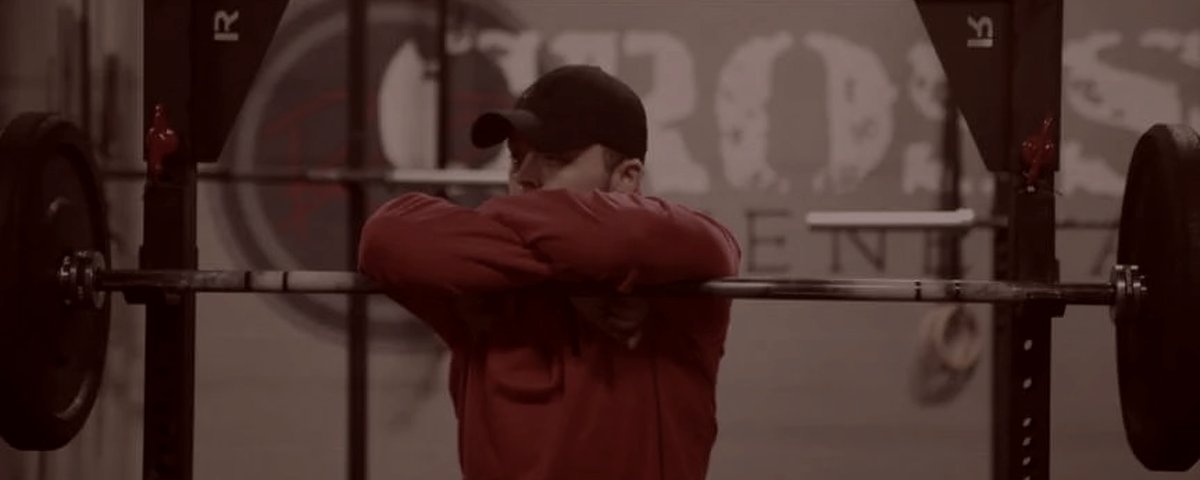
The problem was always time.
Over a decade coaching across high school and collegiate programs, CrossFit, Olympic weightlifting, tactical athletes, and some physical therapy clinic time, drafting a roster's programming was never the bottleneck. The real friction always came when adjusting that work against each athlete's reality, whether they showed up under-recovered, or aches and pains changed what was safe to load, or equipment constraints forced in-session swaps. Each of those moments demands purposeful coaching decisions, but time inevitably runs out, and the larger your roster grows, the harder it becomes to give every athlete the individual focus they need.
TEMPLATES DON'T SURVIVE REALITY.
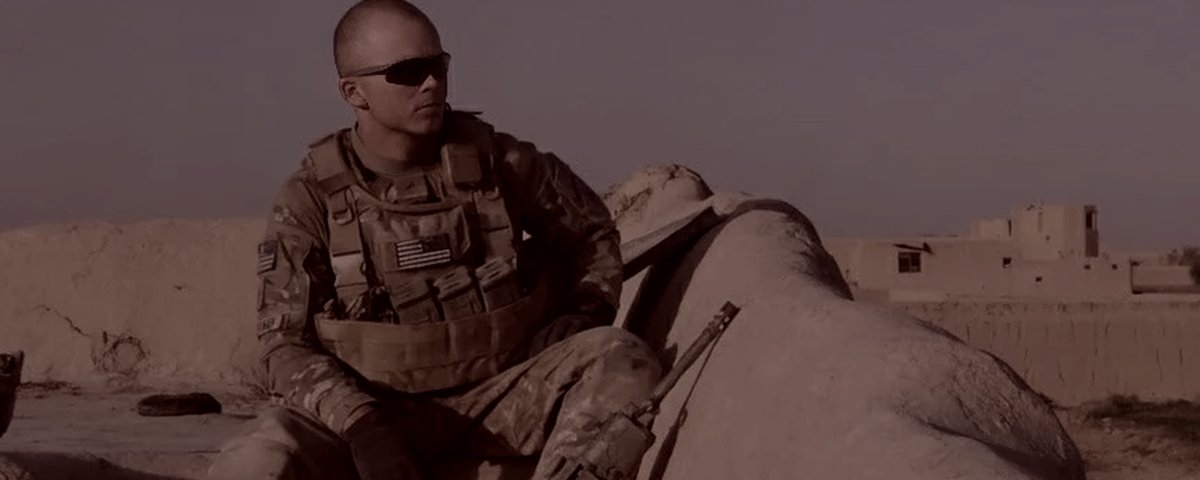
Nearly ten years overseas: two year-long combat deployments with the U.S. Army as a paratrooper and infantryman, in Iraq and Afghanistan, then eight years as a U.S. State Department security contractor. Through my undergrad and contracting years, I competed in Olympic weightlifting and CrossFit. I’ve trained under several coaches, self-coached for periods, and experienced both sides: programming that accounted for my reality and programming that failed under stress. When a coach truly knows your history, your patterns, and how you respond under load, the training is different.